

Ensjsi

Sports journalism

Home - Formation

Program Overview

The Sports Journalism and Communication program trains professionals to cover, analyze, and promote sports news across all media platforms, including television, radio, print media, and digital channels.

The program combines sports reporting techniques, specialized journalistic writing, digital formats, and analysis of sports within its social and economic context. It includes specialized courses, writing workshops, and multimedia projects to ensure strong field experience

School Programs

Media, culture and society

Level of education : Master's degree
Campus Alger
Department of Information Sciences

Continuing education

Certificate
Algiers Campus
Continuing Education
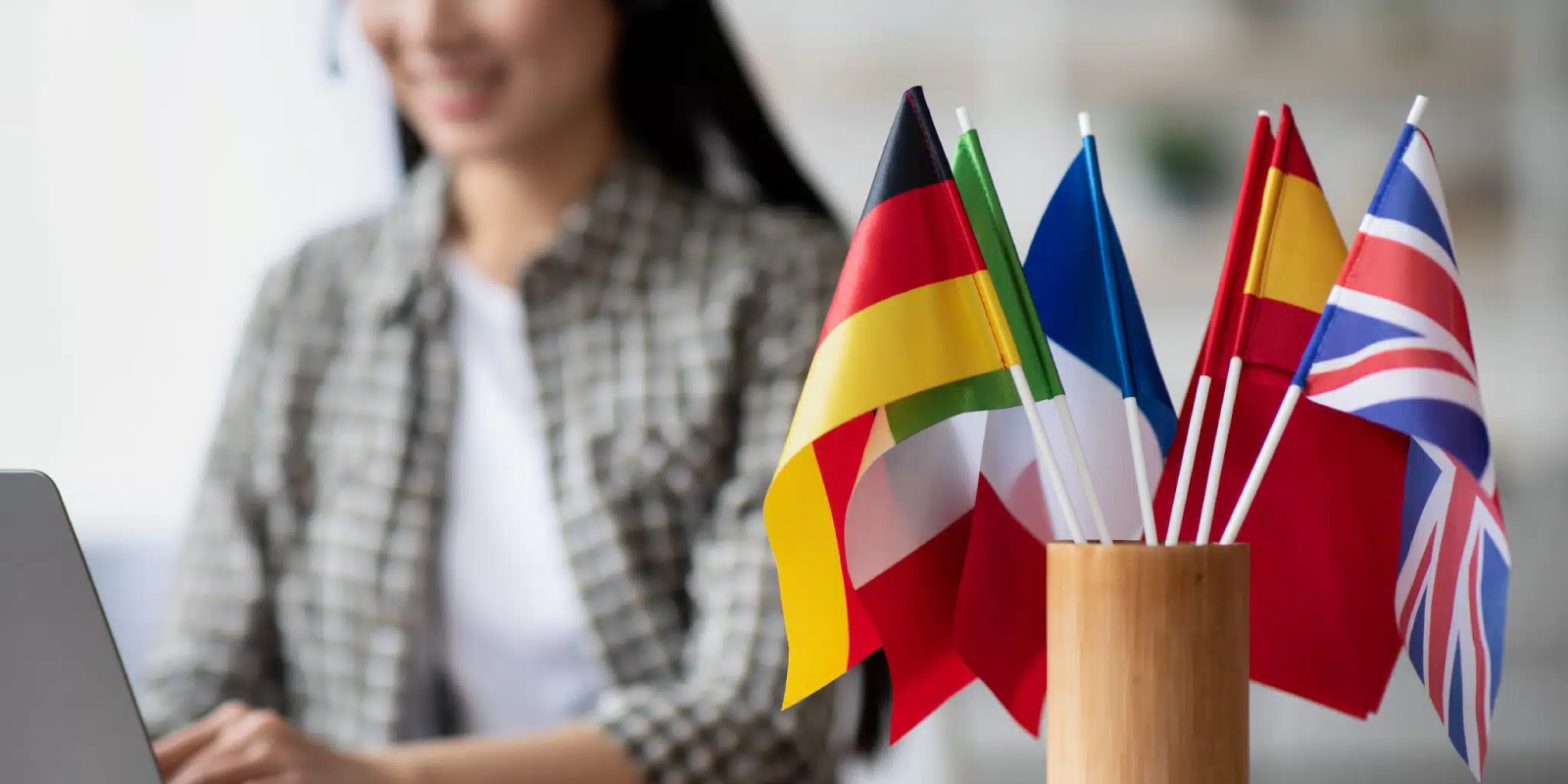
Master languages with CEIL

Output level : MASTER
Algiers Campus
The Intensive Language Center

Corporate communications

Level of education : Master's degree
Campus Alger
Department of Information Sciences

Geopolitics of the media

Level of education : Master's degree
Campus Alger
Department of Information Sciences
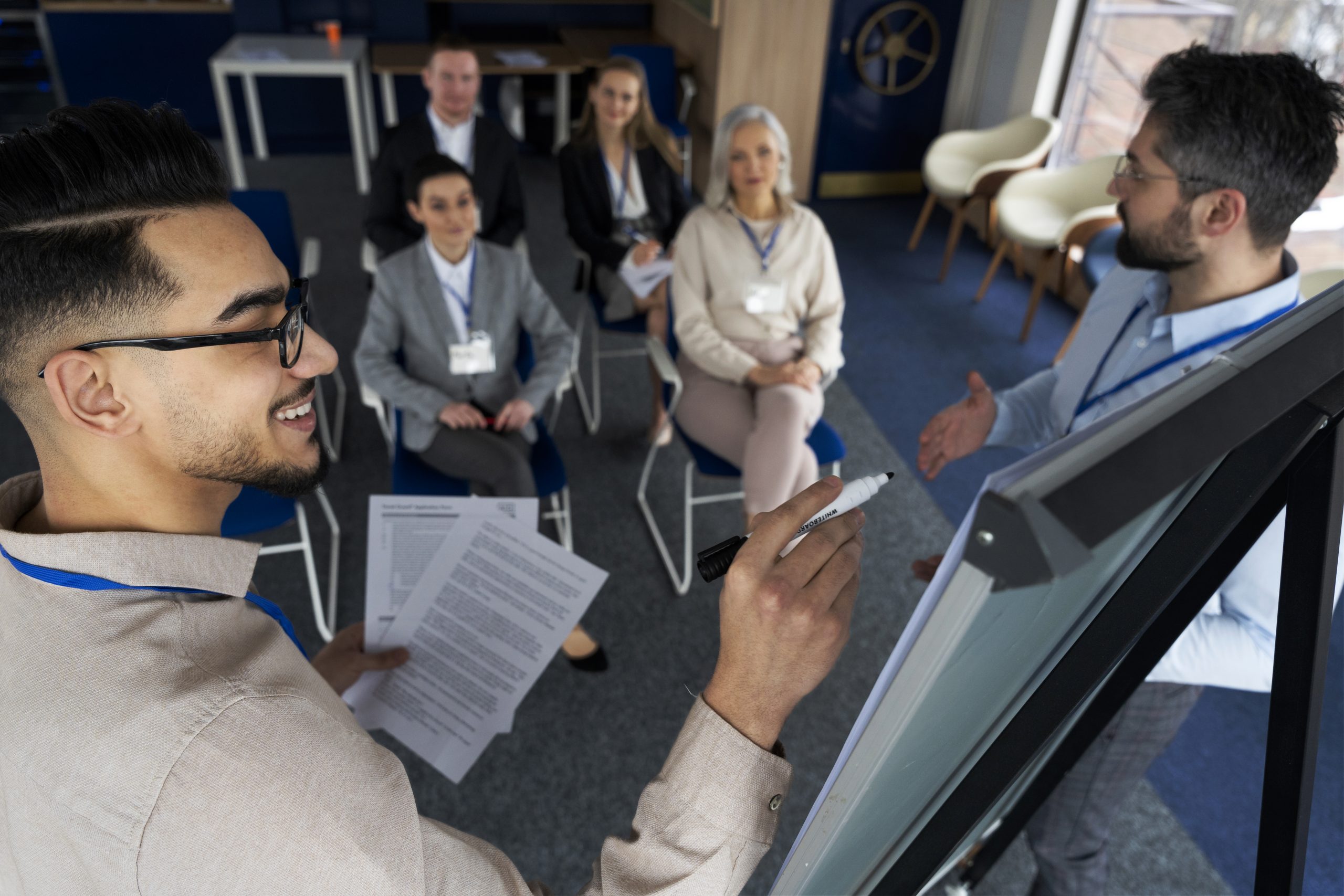
Digital Institutional Communication (new specialty)

Level of education: Master's degree
Campus Alger
Department of Information Sciences

Sports journalism

Level of education: Master's degree
Campus Alger
Department of Journalism
Broadcast and digital journalism

Level of education: Master's degree
Campus Alger
Department of Journalism
Science journalism

Level of education : Master's degree
Campus Alger
Department of Journalism

Career Opportunities

Graduates master multimedia sports coverage and gain solid field experience. They can join sports newsrooms or communication structures related to the sports industry.

Career paths include:

TV / Radio Sports Journalist

The TV/radio sports journalist covers sports news for television and radio. They produce reports, interviews, and live or studio segments. They analyze performances and events to inform the public. Their work conveys the excitement and updates of sports professionally.

Sports Reporter

The sports reporter works on-site to cover sports events. They film, photograph, and write accurate reports. They convey the excitement and atmosphere of competitions. Their role is essential to provide comprehensive and immersive coverage.

Sports Web Editor

The sports web editor produces articles and digital content on sports news. They adapt their texts for online platforms and optimize the visibility of publications. They track trends and reader interactions. Their work provides fast and engaging information for sports enthusiasts.

Sports Commentator / Columnist

The sports commentator or analyst provides analysis and commentary on sports events live or on specialized programs. They bring expertise, stories, and context to enrich the audience experience. They may work on TV, radio, or digital platforms. Their role is key to inform and entertain simultaneously.

Admission Procedure

Admission to the Master’s program is subject to academic requirements and a competitive examination following application review.

Applicants must hold a Bachelor’s degree in Information and Communication Sciences (or equivalent), obtained in a regular session, with no repeated years and a minimum average of 13/20.

Applicants must not have faced disciplinary sanctions and must not already hold a Master’s degree in the same specialization.

Registration is online only, with a complete application file and the selection of one specialization.

Training Program

To explore the courses, learning objectives, and academic organization, download the full training program.

Broadcast and digital journalism

Accueil - Formation

Program Overview

The Audiovisual and Digital Journalism program trains journalists to produce, edit, and disseminate news content across audiovisual and digital platforms, including television, radio, web media, and social networks.

The program combines journalistic writing, audiovisual production techniques, and digital storytelling, while addressing the evolving practices of modern journalism. Students work on diverse formats such as reports, TV and radio programs, podcasts, and digital media content within a professional and practice-oriented framework.

School Programs

Media, culture and society

Level of education : Master's degree
Campus Alger
Department of Information Sciences

Continuing education

Certificate
Algiers Campus
Continuing Education

Master languages with CEIL

Output level : MASTER
Algiers Campus
The Intensive Language Center

Corporate communications

Level of education : Master's degree
Campus Alger
Department of Information Sciences

Geopolitics of the media

Level of education : Master's degree
Campus Alger
Department of Information Sciences

Digital Institutional Communication (new specialty)

Level of education: Master's degree
Campus Alger
Department of Information Sciences

Sports journalism

Level of education: Master's degree
Campus Alger
Department of Journalism

Broadcast and digital journalism

Level of education: Master's degree
Campus Alger
Department of Journalism

Science journalism

Level of education : Master's degree
Campus Alger
Department of Journalism
Career Opportunities

Graduates develop a multimedia professional profile suited to modern newsrooms. They may work in television channels, radio stations, digital media outlets, or production agencies.

Career paths

TV / Web TV Journalist

The TV or web TV journalist produces and broadcasts news for television and digital platforms. They create reports, interviews, and segments while adhering to journalistic standards. They adapt content according to the medium and audience. Their work contributes to informing the public reliably and engagingly.

Video Journalist (VJ / JRI)

The image reporter (JRI) films and captures visual content for audiovisual media. They are responsible for shooting, sound, and sometimes editing their reports. They work in the field to document news and convey stories visually and impactfully.

Multimedia Journalist

The multimedia journalist produces content suitable for multiple platforms: web, video, audio, and social media. They combine writing, editing, and visual creativity to tell stories interactively. They analyze audiences and adapt their productions to meet different public needs.

Digital Content Producer

The digital content producer designs, oversees, and distributes content for digital media. They plan projects, coordinate teams, and ensure production quality. They create diverse content: videos, podcasts, articles, or interactive graphics. Their role is strategic in attracting and retaining audiences.

Audiovisual Editor

The social media journalist produces and adapts information for social platforms. They track trends, post in real time, and engage online communities. They analyze reactions and adjust editorial strategy to maximize impact and engagement.

Rédacteur(trice) audiovisuel

The audiovisual editor writes and structures content for audiovisual media. They prepare scripts, segments, and reports for TV, radio, or digital platforms. They ensure clarity and effectiveness of messages to capture audience attention.

Admission Procedure

L’accès à cette formation en Master est soumis à des critères académiques précis. L’admission se fait par concours, après vérification du dossier.

Applicants must hold a Bachelor’s degree in Information and Communication Sciences (or equivalent), obtained in a regular session, with no repeated years and a minimum average of 13/20.

Applicants must not have received disciplinary sanctions and must not already hold a Master’s degree in the same specialization.

Registration is online only, with a complete application file and the selection of one specialization.

Training Program

To discover the courses, learning objectives, and academic organization, download the full training program.

Science journalism

Accueil - Formation

Program Overview

The Digital Institutional Communication specialization trains professionals capable of managing an organization’s image, communication strategies, and relationships across digital platforms.

This program supports the digital transformation of public and private institutions through a practical, content-driven approach. It focuses on digital strategy, content creation, online reputation management, and community engagement.

School Programs

Media, culture and society

Level of education : Master's degree
Campus Alger
Department of Information Sciences

Continuing education

Certificate
Algiers Campus
Continuing Education

Master languages with CEIL

Output level : MASTER
Algiers Campus
The Intensive Language Center

Corporate communications

Level of education : Master's degree
Campus Alger
Department of Information Sciences

Geopolitics of the media

Level of education : Master's degree
Campus Alger
Department of Information Sciences

Digital Institutional Communication (new specialty)

Level of education: Master's degree
Campus Alger
Department of Information Sciences

Sports journalism

Level of education: Master's degree
Campus Alger
Department of Journalism

Broadcast and digital journalism

Level of education: Master's degree
Campus Alger
Department of Journalism

Science journalism

Level of education : Master's degree
Campus Alger
Department of Journalism

Career Opportunities

Graduates acquire comprehensive digital communication expertise, combining strategy, content creation, and digital platform management. They can work in institutions, companies, or agencies undergoing digital transformation.

Career paths

Digital Communication Manager

The communication officer designs and implements an organization’s communication activities. They write materials, coordinate campaigns, and ensure message consistency. They analyze results and provide recommendations to optimize strategy. They work in public or private institutions and associations.

Social Media Manager

The institutional community manager manages an organization’s online presence. They engage social media communities, post appropriate content, and interact with audiences. They track trends and measure engagement to enhance visibility. They serve as the direct link between the institution and its digital audience.

Content Manager

The press officer manages media relations and communicates the organization’s information. They prepare press releases, conferences, and media kits. They respond to journalists’ inquiries and promote the institution’s image. Their role is essential in enhancing reputation and media visibility.

Online Reputation Officer

The communication project manager oversees and coordinates communication projects from start to finish. They plan activities, manage teams, and ensure budgets and deadlines are met. They analyze results and adjust strategies according to objectives. They can work in agencies, companies, or public institutions.

Admission Procedure

Admission to this Master’s program is subject to academic requirements and is granted through a competitive examination after file review.

Applicants must hold a Bachelor’s degree in Information and Communication Sciences (or equivalent), obtained in a regular session, with no repeated years and a minimum overall average of 13/20.

Applicants must not have received disciplinary sanctions and must not already hold a Master’s degree in the same specialization.

Registration is online only, with a complete application file and the choice of one specialization.

Training Program

To explore the courses, learning objectives, and study organization, download the full training program.